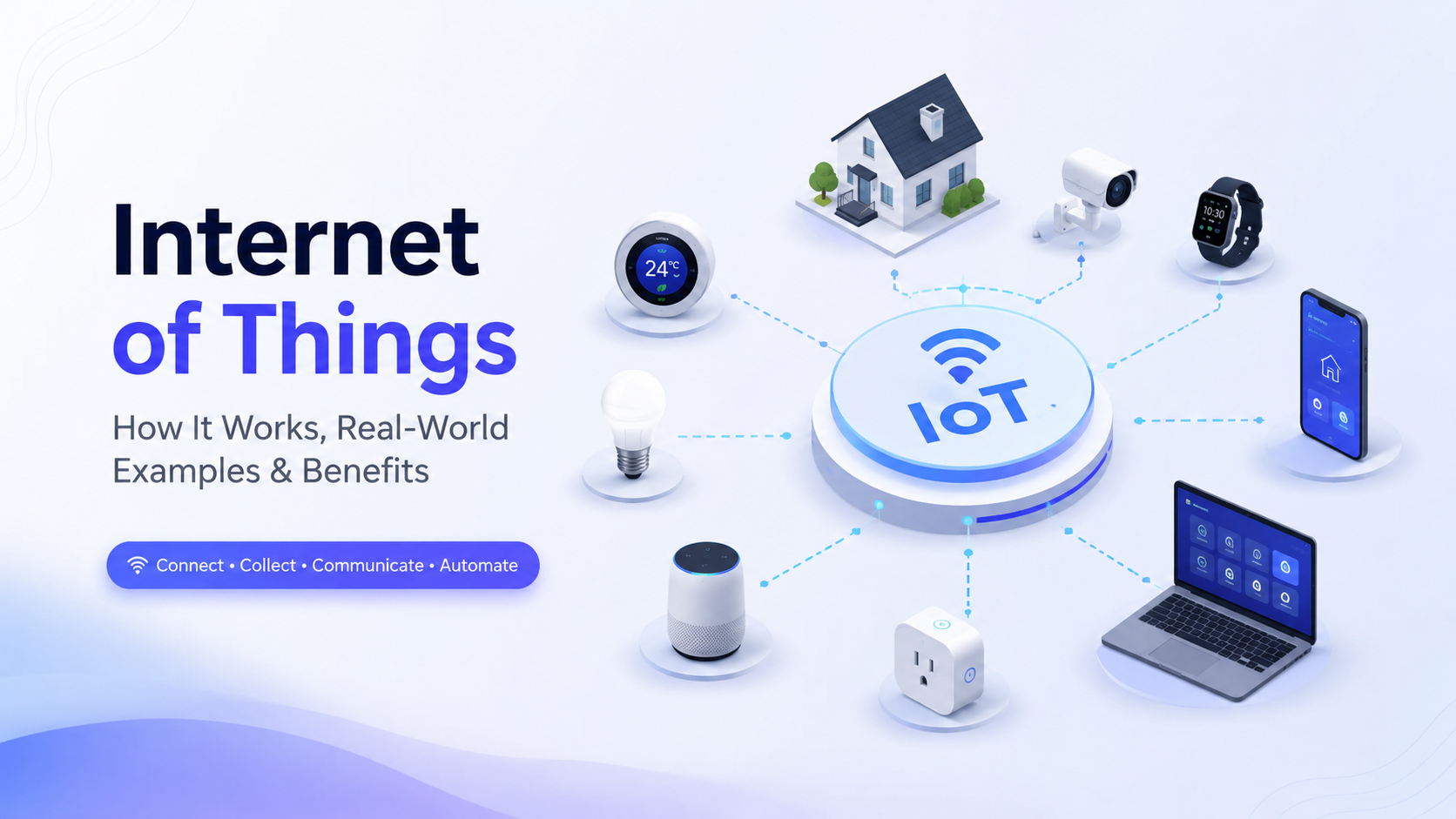
A thermostat that adjusts itself before you get home. A wearable that tracks your heart rate overnight. A factory sensor that flags a machine before it fails. Each of these relies on the same underlying idea: physical devices equipped with sensors and connectivity that let them collect information and share it, often without a person directly operating them.
This is the basic premise behind the Internet of Things. It is not a single product or platform but a broad category of connected devices and systems that work together in different combinations, depending on what problem they are solving.
What Is the Internet of Things?
The Internet of Things, or IoT, refers to physical devices equipped with sensors, software, and connectivity that allow them to collect, exchange, or act on data. These devices range from simple sensors to complex connected systems. IoT is not a single technology but a broad category, and the way an IoT system is built varies significantly depending on its application, from a single smart device to an entire connected industrial network.
Key Takeaways
- IoT refers to physical devices that collect, exchange, or act on data through sensors and connectivity.
- IoT systems typically involve devices, connectivity, data processing, and some form of action or output.
- Not all IoT systems use the same architecture; some rely on the cloud, others on local or edge processing.
- IoT is used across homes, healthcare, manufacturing, agriculture, transportation, retail, and cities.
- IoT and AI are different technologies that can work together, with AI often analyzing data that IoT devices collect.
- Security and privacy are ongoing concerns in IoT systems, not solved by any single measure.
- The value of an IoT system depends on how well it is designed and managed, not on the number of connected devices alone.
How Does IoT Work?
Most IoT systems follow a similar general workflow, though the specific implementation varies widely:
- A device or sensor collects data, such as temperature, motion, location, or usage patterns.
- The device sends that data through a network connection, which could be Wi-Fi, cellular, Bluetooth, or another protocol.
- The data may be processed locally on the device, closer to the source at the edge of the network, or sent to the cloud for further processing.
- A system analyzes the data, checking it against rules, thresholds, or models to determine what it means.
- The device or user receives an output, whether that is an alert, an automated action, or an insight displayed in an app.
Not every IoT system follows this exact sequence. Some devices process everything locally without ever reaching the cloud, while others depend heavily on remote infrastructure. The right architecture depends on the specific use case.
The Main Components of an IoT System
Devices and Sensors
These are the physical components that interact with the environment, measuring things like temperature, motion, light, humidity, or location. A sensor’s job is simply to capture a signal and convert it into data that can be transmitted.
Connectivity
Devices need a way to send the data they collect. This could be a home Wi-Fi network, a cellular connection, a short-range protocol like Bluetooth or Zigbee, or a dedicated low-power network designed for IoT deployments. The choice depends on factors like range, power consumption, and how much data needs to move.
Data Processing
Once data is collected, it needs to be processed to become useful. This can happen directly on the device, at a nearby local system, or in a remote data center. Processing might involve simple threshold checks, such as recognizing a temperature has crossed a limit, or more complex analysis.
User Interfaces and Applications
Most IoT systems include a way for people to interact with the data, whether that is a mobile app, a web dashboard, or a simple indicator light. This layer translates raw data into something a person can understand and act on.
Automation and Actions
Many IoT systems are designed to act on data without waiting for a person to intervene, such as adjusting a thermostat, triggering an alert, or shutting down a piece of equipment. Not every system automates actions; some simply report data for a person to review.
What Are IoT Devices?
IoT devices are the physical hardware equipped with sensors and connectivity that make up part of a larger system. Common examples include:
- Smart thermostats that adjust temperature based on occupancy or schedules
- Smart watches and fitness trackers that monitor activity and health metrics
- Smart security cameras that detect motion and send alerts
- Connected vehicles that report location, diagnostics, or driving data
- Industrial sensors that monitor equipment performance or environmental conditions
- Smart meters that track utility usage
- Connected medical devices that monitor patient data remotely
A single device is rarely useful on its own. It typically works as one part of a larger system involving connectivity, processing, and some form of output or action.
Real-World Internet of Things Examples
Smart Homes
Connected thermostats, lighting, locks, and appliances collect data about occupancy, temperature, and usage patterns. This data is used to automate routine tasks, such as adjusting lighting or heating, and to give homeowners remote visibility into their homes.
Healthcare
Wearables and connected medical devices can track vital signs, activity levels, or medication adherence. This data may be used by patients to monitor their own health or shared with providers to support remote monitoring between appointments.
Manufacturing
Industrial sensors placed on machinery collect data on vibration, temperature, and performance. This information supports predictive maintenance, helping teams identify potential equipment issues before a breakdown occurs.
Transportation
Connected vehicles and fleet tracking systems collect data on location, fuel usage, and vehicle diagnostics. This supports route planning, maintenance scheduling, and safety monitoring across a fleet.
Agriculture
Soil sensors, weather stations, and connected irrigation systems collect data on moisture levels, temperature, and crop conditions. This information helps farmers make more informed decisions about watering, fertilizing, or harvesting.
Retail
Connected shelf sensors and inventory systems track stock levels and product movement. This data supports inventory management and can help identify when restocking is needed.
Smart Cities
Connected infrastructure, such as traffic sensors, environmental monitors, and smart lighting, collects data used to manage traffic flow, monitor air quality, or adjust public lighting based on activity.
IoT vs Traditional Connected Devices
| Feature | Traditional Connected Devices | IoT Systems |
|---|---|---|
| Connectivity | Often limited to a single connection type, such as a wired network | May use multiple connectivity options depending on the device and environment |
| Sensors | Often minimal or none | Frequently equipped with one or more sensors to collect environmental or usage data |
| Data collection | Limited or manual | Continuous or automated data collection |
| Automation | Limited or requires manual input | Often includes automated responses based on collected data |
| Communication | May communicate with a single system or none at all | Often communicates across multiple devices, platforms, or systems |
| Scale | Typically individual devices | Often deployed as networks of many interconnected devices |
| Typical applications | Basic connected functionality, such as a printer on a network | Home automation, industrial monitoring, healthcare tracking, smart infrastructure |
IoT, Edge Computing, and Cloud Computing
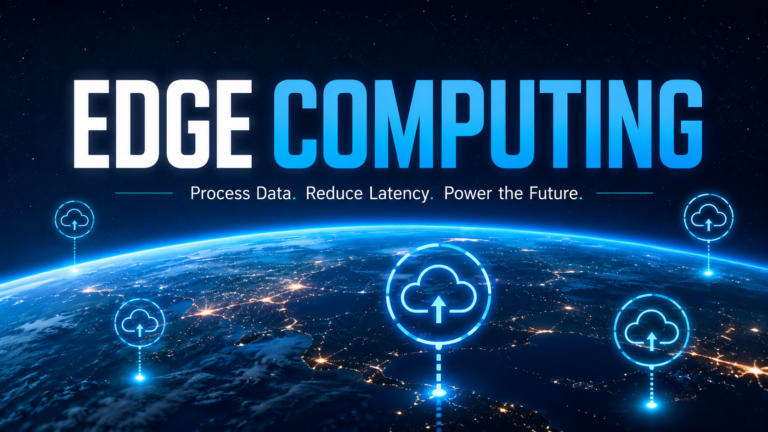
These three concepts are related but distinct. IoT refers to the connected devices and systems that collect or exchange data. Edge computing refers to processing data closer to where it is generated or needed, rather than sending everything to a distant server. Cloud computing refers to using remote computing infrastructure and services to store or process data at scale.
These technologies often work together. An IoT device might handle basic processing locally, use edge computing for time-sensitive decisions, and still send data to the cloud for longer-term storage or deeper analysis. Not every IoT system requires edge computing; simpler systems may send data directly to the cloud, while others may not use the cloud at all, depending on the requirements of the application.
IoT and Artificial Intelligence
IoT and artificial intelligence are different technologies that often complement each other. IoT is concerned with connecting devices and collecting or exchanging data. AI is concerned with analyzing that data, recognizing patterns, and supporting decisions or predictions.
In practice, AI can be applied to data generated by IoT systems for purposes such as:
- Recognizing patterns in sensor data over time
- Supporting predictive maintenance by identifying early signs of equipment issues
- Detecting anomalies that may indicate a problem, such as unusual energy usage
- Analyzing images from connected cameras
- Supporting automated responses based on the data collected
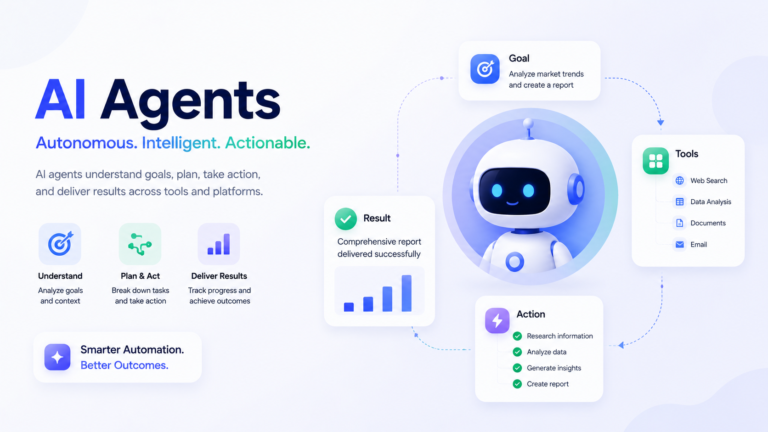
In some setups, AI agents are used to monitor incoming data from IoT devices, evaluate it against defined conditions, and trigger actions or coordinate responses across a system. This is one way AI and IoT can intersect, though IoT itself remains focused on the connectivity and data layer, not the analysis layer.
Benefits of the Internet of Things
Real-Time Monitoring
Connected devices can provide continuous visibility into conditions that would otherwise require manual checks, such as equipment status or environmental factors.
Automation
Many IoT systems can respond to data automatically, reducing the need for constant manual oversight for routine tasks.
Data-Driven Insights
Collecting data over time can reveal patterns and trends that support better decision-making, though the value of these insights depends on how the data is analyzed and used.
Remote Management
IoT systems often allow devices to be monitored or controlled remotely, which can be useful for managing equipment or environments across multiple locations.
Improved Operational Visibility
Organizations can gain a clearer picture of how systems and equipment are performing, which can support planning and resource allocation.
These benefits are not guaranteed outcomes. The actual impact of an IoT deployment depends on the specific system, how well it is implemented, and whether it addresses a genuine need.
Challenges and Limitations of IoT
- Security risks, since connected devices can be vulnerable to unauthorized access if not properly secured
- Privacy concerns, particularly when devices collect personal or sensitive data
- Device management challenges, especially at scale with many connected devices
- Dependence on connectivity, which can affect reliability if a network connection is lost
- Compatibility issues between devices and platforms from different manufacturers
- Data management complexity, as systems can generate large volumes of data over time
- Deployment complexity, particularly for larger or industrial systems
- Ongoing maintenance requirements, including software updates and hardware upkeep
IoT Security and Privacy
Security matters in IoT because connected devices can create additional points of entry into a network if left unprotected. Several practices are commonly used to reduce risk:
- Device authentication, to confirm that only authorized devices can connect to a network
- Regular software updates to patch known vulnerabilities
- Secure communication protocols to protect data as it moves between devices and systems
- Access control, to limit who or what can interact with a device or its data
- Data protection measures to safeguard information collected and stored by IoT systems
No single security measure makes an IoT system completely secure. Effective security typically involves layering multiple practices and maintaining them over time, since new vulnerabilities can emerge as devices and software evolve.
Common IoT Use Cases
| Industry or Environment | IoT Application | Practical Purpose |
|---|---|---|
| Homes | Smart thermostats, lighting, locks | Automate routine tasks and provide remote control. |
| Healthcare | Wearables, remote patient monitoring devices | Track health metrics and support remote care. |
| Manufacturing | Equipment sensors | Support predictive maintenance and reduce downtime. |
| Agriculture | Soil and weather sensors | Inform irrigation and crop management decisions |
| Transportation | Vehicle and fleet tracking systems | Monitor location, diagnostics, and safety. |
| Retail | Shelf and inventory sensors | Track stock levels and product movement. |
| Cities | Traffic and environmental sensors | Support traffic management and infrastructure monitoring. |
Does IoT Need the Cloud?
Not necessarily. IoT systems can use cloud services, local infrastructure, edge computing, or some combination of these, depending on the application. The right architecture depends on several factors:
- The specific requirements of the application, such as how quickly data needs to be processed
- The type and reliability of available connectivity
- The volume of data being generated
- How sensitive the system is to delays, or latency
- Security requirements for the data involved
- Overall system design and cost considerations
A simple home device might rely entirely on the cloud, while a time-sensitive industrial system might process most data locally to avoid delays.
The Future of the Internet of Things
The number of connected devices is likely to continue growing across homes, businesses, and industries. AI may play a larger role in analyzing the data these devices generate, supporting more advanced automation and predictive capabilities. Edge computing could become more common in applications where speed and reliability are critical. Industrial automation and smarter infrastructure may also expand as organizations look for ways to improve efficiency and monitoring.
These are reasonable directions based on current trends, though the pace and specifics of this growth will depend on factors like cost, security practices, and how well new systems are designed and managed.
Final Thoughts
The Internet of Things connects physical devices and systems so they can collect, exchange, and use data, supporting everything from home automation to industrial monitoring. The value of any IoT system depends less on the number of connected devices involved and more on how well that system is designed, managed, and secured to solve a real problem.

Jigar Pandya
Jigar Pandya is a Technology and WordPress professional with over 6 years of experience building and improving websites. His work covers WordPress development, website performance, and modern web technologies, with a focus on creating websites that are fast, reliable, and easy to use.